Skincare · 17 May 2026 · 8 min read
A Realistic Routine to Fade Hyperpigmentation
Tranexamic acid, alpha arbutin, and the patience that makes them work.

Hyperpigmentation is the most common skin concern at justask. Post-acne marks, sun spots, melasma, dark patches around the mouth and forehead — these are the real, daily skincare frustrations of African skin. The good news is that all of them respond to the right routine. The harder news is that no product fades pigmentation in two weeks. Realistic routines work over months, not days, and consistency matters more than intensity.
Understanding the problem
Hyperpigmentation happens when melanocytes — the cells that produce skin pigment — are triggered to produce extra melanin. The triggers include UV exposure, inflammation (acne, insect bites, eczema), hormonal shifts (pregnancy, contraceptives), and friction (rubbing, harsh exfoliation). Once the melanin is deposited, your skin holds onto it for weeks to months unless you actively encourage cell turnover and inhibit further melanin production.
The three-pronged approach
Effective fading routines do three things at once. First, protect: SPF 50 PA++++ daily, every single day, no exceptions. Without it, no other product will work because new pigmentation will form as fast as old pigmentation fades. Second, inhibit: use ingredients that slow melanin production. Third, accelerate: use ingredients that encourage skin cell turnover so existing pigmented cells are shed faster.
The hero ingredients
Tranexamic acid is a modern hero. It works on multiple steps of the melanin pathway, is well-tolerated by sensitive skin, and is particularly effective for melasma. Look for 2–5% in serum form. Alpha arbutin is another standout, related to hydroquinone but far gentler and safer for long-term use. Niacinamide at 4–10% inhibits the transfer of melanin from melanocytes to skin cells. Vitamin C protects against new pigment formation and adds brightening over time. Azelaic acid at 10% is excellent for both pigmentation and acne, with a gentle exfoliating effect.
What to skip
Avoid hydroquinone except under dermatologist supervision; long-term use can cause ochronosis, a paradoxical darkening that's very difficult to reverse. Avoid mercury, steroids, and any unmarked 'lightening' creams sold informally; these damage the barrier and cause permanent harm. Avoid aggressive scrubs and high-strength acids without professional guidance; over-exfoliation in melanin-rich skin causes more pigmentation than it fades.
A sample routine
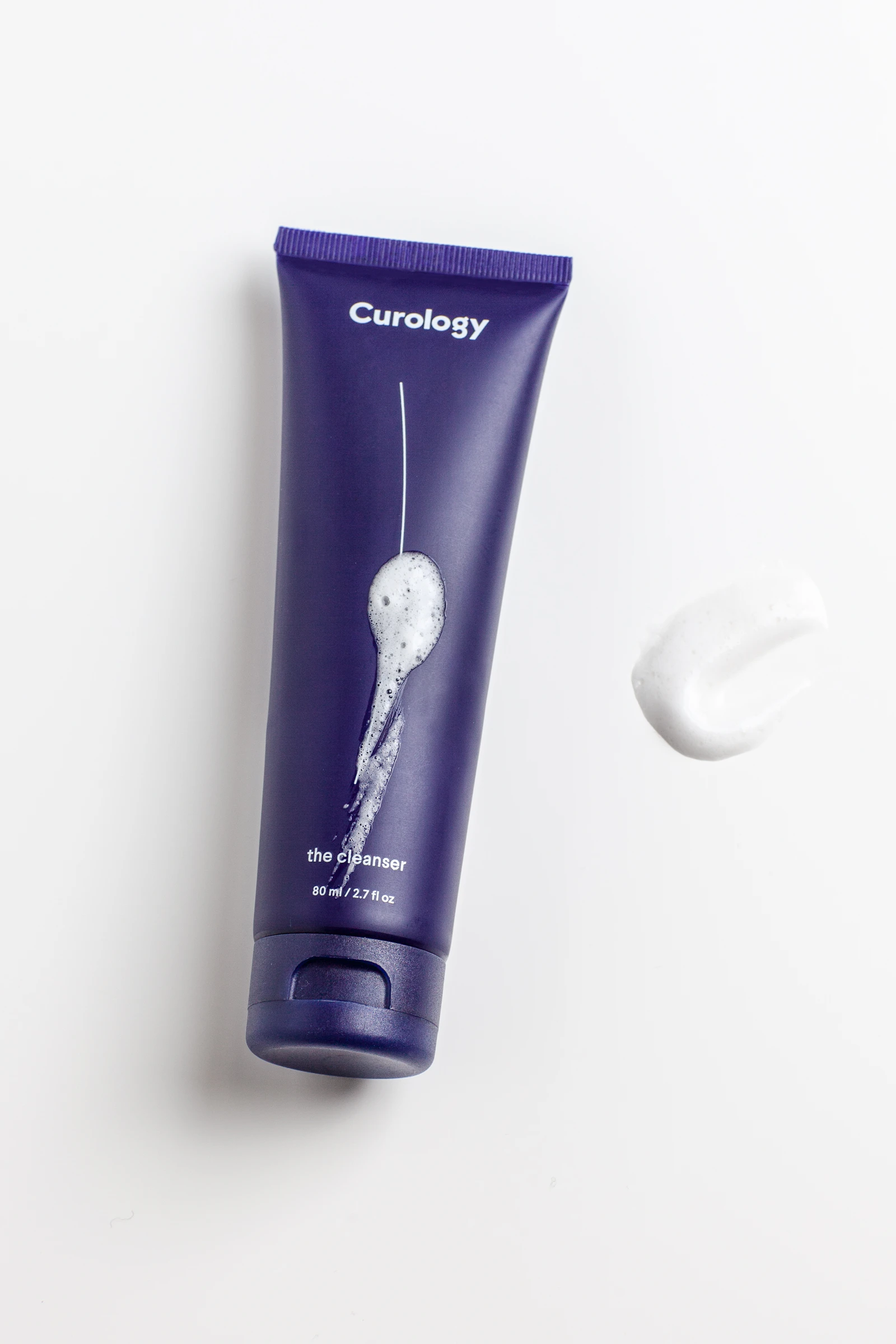
Morning: gentle gel cleanser, vitamin C serum, niacinamide moisturiser, SPF 50 PA++++. Evening: double cleanse, tranexamic acid serum, alpha arbutin serum (or alternate them), ceramide moisturiser. Twice a week, swap the evening serums for a low-percentage retinol to accelerate turnover. Once a week, use a gentle PHA exfoliant.
The exfoliation question
Gentle exfoliation accelerates fading by speeding up cell turnover, but the wrong exfoliation makes pigmentation worse. PHAs and lactic acid are the safest for melanin-rich skin. Glycolic acid can be effective at low percentages but is more irritating. Always start at a low frequency and work up. Avoid physical scrubs entirely — friction triggers more pigmentation.
Timeline and expectations
Expect 8–12 weeks before you see meaningful change, and 6 months for substantial improvement. Take photos at month one and compare at month three; the change is gradual and easy to miss without a baseline. If you see no improvement after four months of consistent use with proper SPF, consult a dermatologist for prescription options.
When pregnancy is involved
Melasma triggered by pregnancy or hormonal contraceptives often needs more than topicals. SPF, tranexamic acid, niacinamide, and azelaic acid are pregnancy-safe and are reasonable starting points. Retinol, hydroquinone, and high-strength acids should be avoided during pregnancy.
Shop fade-routine bundles built for Cameroonian skin at justask, with curated brightening serums, gentle exfoliants, and the SPFs that make it all work.